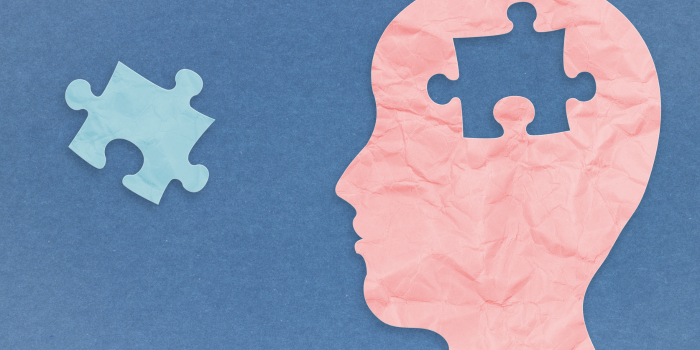
Can AI Replace a Therapist?
Artificial intelligence has quickly become part of everyday life. People now use tools such as ChatGPT and other AI-powered chatbots to answer questions, organize their thoughts, and even discuss personal problems.
For someone experiencing anxiety, relationship difficulties, stress, loneliness, or emotional uncertainty, talking to an AI chatbot may feel surprisingly helpful.
But an important question remains:
Can an AI chatbot actually replace a therapist?
The short answer is no.
AI can be a useful tool for information, journaling, brainstorming, and self-reflection. However, therapy involves much more than providing information or generating responses. A meaningful therapeutic relationship requires human connection, professional judgment, individualized care, and an understanding of the person’s emotional experiences and circumstances.
What Can AI Do for Mental Health?
AI can be useful in several limited ways.
For example, someone might use an AI tool to:
- Organize thoughts before a therapy appointment
- Generate journaling prompts
- Learn general information about anxiety or stress
- Identify questions they want to discuss with a therapist
- Practice putting difficult emotions into words
- Explore general coping strategies
- Create reminders for healthy routines
These uses can complement mental health care, but they should not be confused with professional psychotherapy.
Why People Turn to AI for Emotional Support
AI chatbots are available at almost any time and can feel easy to approach. Someone may feel less embarrassed typing a difficult question into a chatbot than saying it aloud to another person.
For people struggling with loneliness, anxiety, or relationship conflict, this accessibility can be appealing.
However, convenience does not necessarily mean that the tool is appropriate for every situation.
A chatbot does not know your entire history, relationships, environment, personality, or emotional patterns in the way a therapist can develop an understanding of you over time.
The Importance of the Therapeutic Relationship
One of the most important parts of therapy is the relationship between therapist and client.
Therapy provides a space where you can slow down, explore difficult experiences, recognize patterns, and develop a deeper understanding of yourself.
A therapist can listen not only to what you say but also to how you communicate, the context surrounding your concerns, and changes that occur throughout the therapeutic process.
That human relationship can be particularly important when working through trauma, anxiety, depression, relationship difficulties, major life transitions, or other complex emotional concerns.
AI Can Be a Tool—But It Should Not Be Your Therapist
There is nothing inherently wrong with using AI as a supplemental tool for self-reflection.
The important distinction is understanding what AI can and cannot provide.
If an AI conversation helps you recognize that you are struggling with anxiety, relationship problems, emotional distress, or another concern, that may actually be a useful first step toward seeking professional support.
Instead of asking whether AI should replace therapy, a better question may be:
How can technology support people while preserving the human connection that makes therapy meaningful?
When Should You Talk to a Therapist?
Consider speaking with a qualified therapist when emotional concerns are persistent, interfere with daily life, affect your relationships, or feel difficult to manage on your own.
Professional therapy can provide a confidential environment to explore what you are experiencing and develop a treatment approach based on your individual needs.
AI may provide information. A therapist can provide a relationship, professional perspective, and personalized therapeutic process.
Frequently Asked Questions
Is AI therapy the same as seeing a therapist?
No. AI tools can provide information and conversational support, but they do not replace professional psychotherapy or the therapeutic relationship.
Can ChatGPT help with mental health?
ChatGPT may be useful for general education, journaling prompts, and organizing thoughts. It should not be considered a replacement for individualized mental health treatment.
Can AI diagnose anxiety or depression?
AI-generated responses should not be treated as a professional diagnosis. Mental health diagnoses require appropriate clinical assessment by qualified professionals.
Should I tell my therapist that I use AI for mental health?
If you use AI to explore emotions, symptoms, relationships, or mental health concerns, discussing that with your therapist can be helpful. It gives your therapist additional context about how you are approaching your mental health.
What is the biggest difference between AI and therapy?
The biggest difference is the human therapeutic relationship. Therapy involves professional training, clinical judgment, individualized treatment, and a relationship developed between therapist and client.